
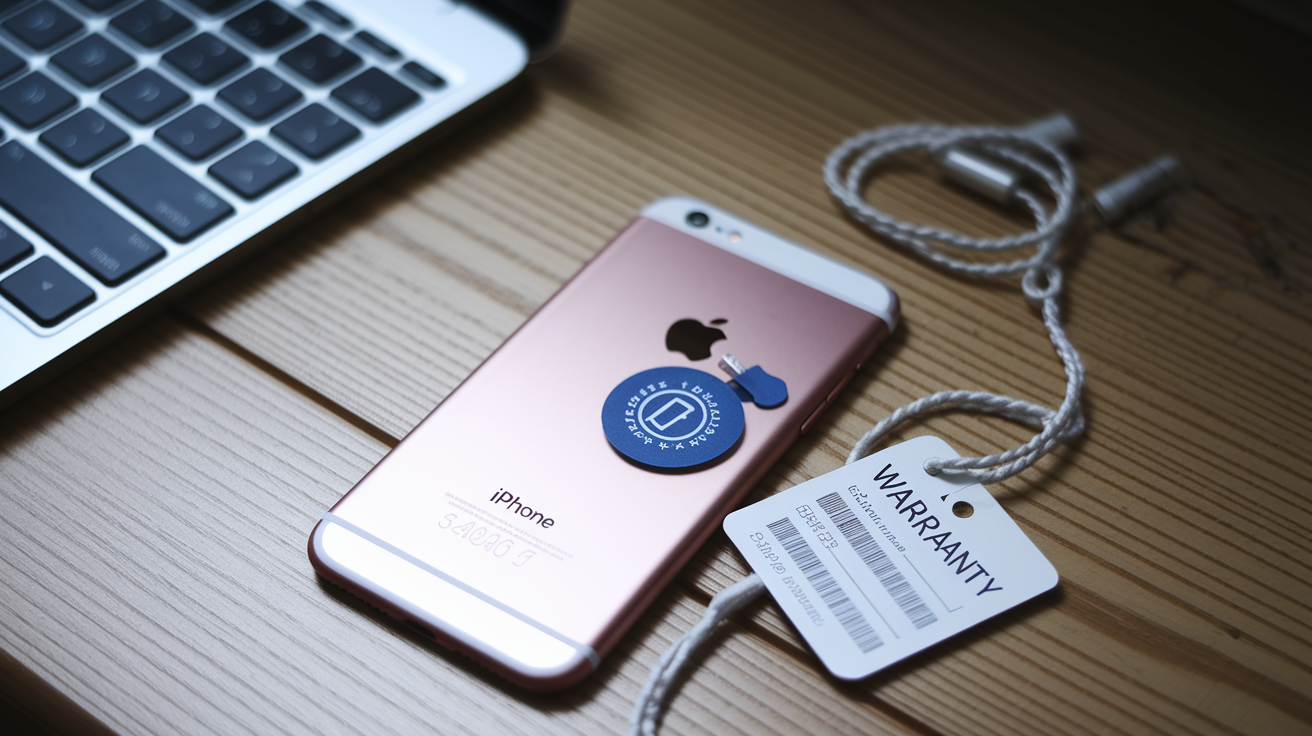

Thinking of buying a refurbished smartphone?
It can cut hundreds off flagship prices and shrink your tech footprint, but it’s not always the bargain it looks like.
A refurbished phone is worth buying when the seller is certified, the warranty and return window are solid, the cosmetic grade matches your tolerance, and the model still gets software updates.
If those boxes aren’t checked, you could end up with hidden problems.
Read on for the real pros and cons and a quick checklist to buy smart.
Key Factors That Determine Whether a Refurbished Smartphone Is Worth Buying
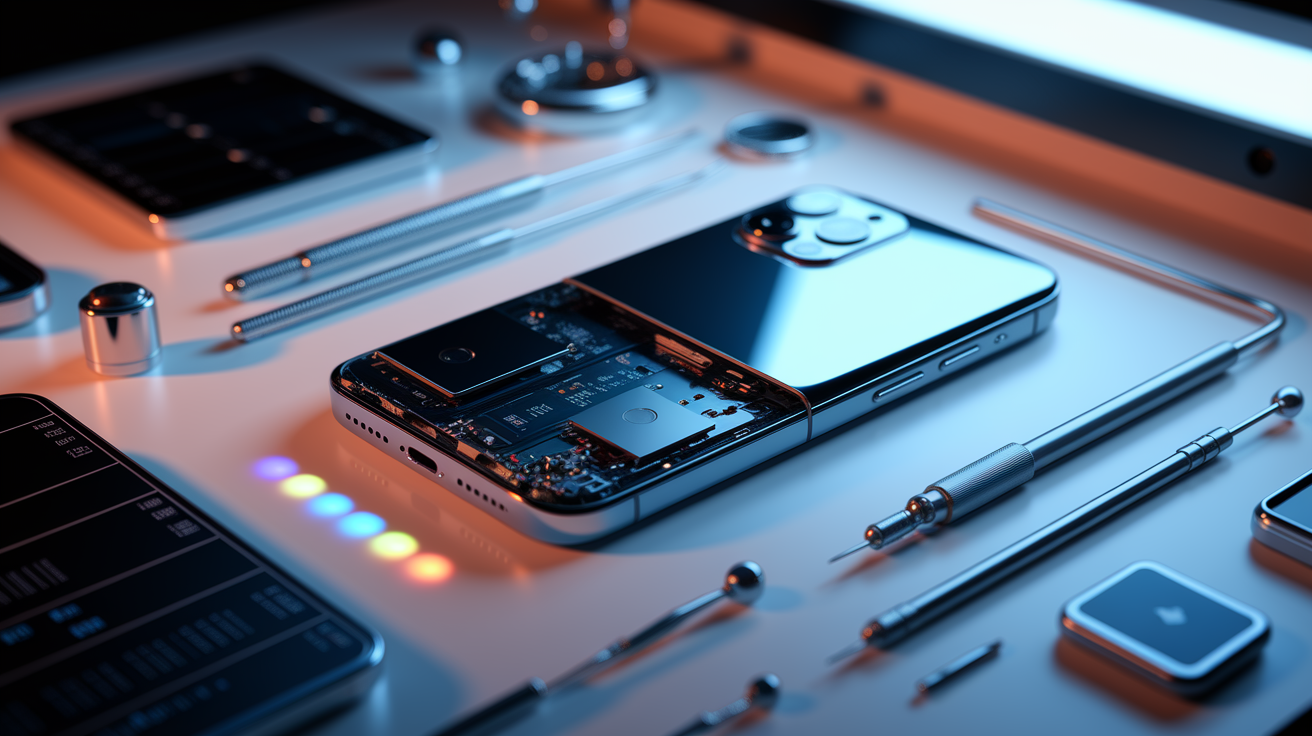
A refurbished smartphone is a previously owned device that’s been returned, inspected, repaired if needed, cleaned, and brought back to working order before resale. It’s not the same as a generic second‑hand phone sold “as is.” Refurbished units get technical testing, part replacements when required, and often come with a warranty. Major manufacturers, carriers, and certified third‑party refurbishers run diagnostics to verify each device works like new. They test cameras, ports, buttons, battery health, and network connectivity before certifying the phone for resale.
Refurbished phones usually cost 20–50% less than new retail prices. That puts flagship models within reach at mid‑range budgets. A refurbished iPhone 14 or Samsung Galaxy S24 that originally sold for over $1,000 can often be found for around $600–700 from a certified seller. Refurbishers replace faulty components (screens, batteries, charging ports) and wipe all data, so these devices deliver near‑new performance at a fraction of the cost. Many include warranties ranging from 90 days to a full year, depending on the retailer and refurbishment source.
Whether a refurbished phone is worth buying comes down to four things: the certification and reputation of the seller, the warranty and return policy offered, the cosmetic grade and condition of the device, and how much remaining software support the model has left. When these boxes are checked, refurbished phones offer strong value. When they’re not, you risk buying a device with hidden defects, minimal recourse, or obsolete software.
Top reasons refurbished phones can be a smart purchase:
- Cost savings of 20–50% versus new retail, especially on premium flagship models
- Warranty coverage from reputable sellers, often 3–12 months, sometimes 24
- Professional testing and part replacement, including batteries and screens when needed
- Reduced e‑waste, extending device lifecycles and lowering environmental impact
Benefits of Choosing a Refurbished Smartphone

The most immediate benefit is price. Refurbished phones regularly sell for 20–50% below new retail. Discounts climb even higher on older flagship models. A refurbished iPhone 13 that retailed for $799 new can be found for under $500 from a certified refurbisher. Premium Android flagships follow the same pattern. That cost difference lets you step up from a new budget phone to a refurbished flagship with faster processors, better cameras, and longer software support, without increasing your budget.
Beyond savings, refurbished devices go through structured quality checks. Certified refurbishers inspect every component, replace worn batteries (many guarantee 80–100% battery health), swap cracked screens, clean and test all ports and buttons, and wipe the phone’s storage to factory settings. Reputable sellers disclose the refurbishment process and grade each device by cosmetic condition, so you know what to expect when the box arrives. Many also contribute to sustainability by keeping working electronics out of landfills and reducing the carbon cost of manufacturing new devices.
Main advantages of refurbished smartphones:
- Significant cost reduction compared to new models, often $200–400 less
- Professionally tested functionality with replaced parts where needed
- Warranty protection from certified sellers, usually 90 days to 1 year
- Environmental benefit by extending device lifespan and lowering e‑waste
- Access to flagship‑tier hardware at mid‑range prices
Potential Drawbacks and Risks
The biggest trade‑off is cosmetic condition. Even Grade A “pristine” refurbished phones may carry light micro‑scratches visible under certain lighting. Grade B or C devices show more noticeable scuffs, dings, or worn corners. These imperfections don’t affect performance, but they do mean the device won’t look showroom‑new. If cosmetic appearance matters to you, refurbished phones require a realistic expectation that the device has been used before.
Warranty coverage is typically shorter than what you get with a new phone. New devices often include a full manufacturer’s warranty (one year from Apple, for example). Refurbished units from third‑party sellers may only offer 90 days to six months. Some certified manufacturer‑refurbished programs match the original warranty length, but that’s not universal. A shorter warranty window means less time to discover hidden defects, so the first few weeks of ownership require closer attention to battery drain, charging behavior, and any intermittent issues.
Quality consistency depends heavily on who refurbished the device. Manufacturer‑refurbished units and those from large certified retailers tend to be the most reliable because they use OEM parts and follow strict testing protocols. Phones refurbished by smaller, less‑known vendors can be hit or miss. Some are excellent, others ship with issues like poor battery health, incomplete testing, or cosmetic damage not disclosed in the listing. Variability in refurbishment standards is the single largest risk when buying refurbished, which is why seller reputation and certification matter so much.
Understanding Refurbishment Grades and What They Mean
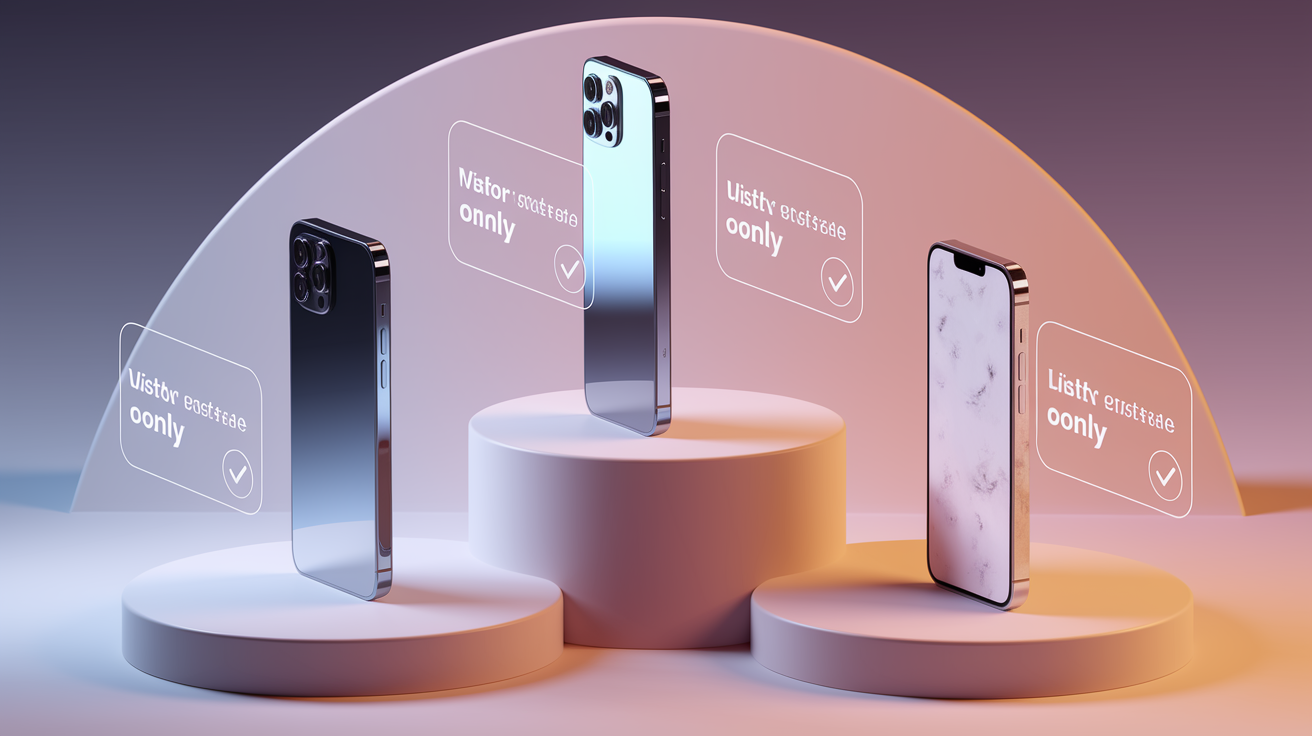
Refurbished phones are assigned grades (most commonly A, B, or C) to describe their cosmetic condition and the level of restoration performed. These grades help you set expectations for appearance without implying anything about functional reliability. All certified refurbished devices should work like new regardless of grade.
Grade A (sometimes labeled “Pristine” or “Excellent”) means the phone shows minimal to no visible wear, may still have protective films in place, and battery health is typically 90–100%. Grade B (“Good”) devices function perfectly but show light scratches, small scuffs on the frame, or minor cosmetic marks visible up close. Grade C (“Fair”) phones have more obvious wear (deeper scratches, dents, or worn edges) but still pass all functional tests and usually ship with 80–100% battery health.
| Grade | Cosmetic Condition | Functional Condition |
|---|---|---|
| Grade A (Pristine/Excellent) | No visible wear, or only micro‑scratches; may look nearly new | Fully tested, 90–100% battery health, all parts working |
| Grade B (Good) | Light scratches or scuffs visible on close inspection | Fully tested, 80–100% battery health, all parts working |
| Grade C (Fair) | Visible dents, deeper scratches, or worn edges | Fully tested, 80–100% battery health, all parts working |
Grading affects price more than performance. A Grade A iPhone 14 might sell for $700, while the same model in Grade C condition sells for $550. That’s a $150 difference for cosmetic wear that doesn’t impact speed, camera quality, or battery life. If you’re planning to use a case and screen protector anyway, choosing Grade B or C can maximize savings without sacrificing usability. But if resale value or appearance matters, Grade A devices hold their value better and look closer to new when you eventually upgrade again.
Cost Comparison: Refurbished vs. New Smartphones
Price is where refurbished phones deliver the clearest advantage. Flagship models that cost over $1,000 new regularly drop to $600–750 refurbished. Older flagships fall even further. The table below shows real‑world price differences for popular models sold in early 2025 and 2026, illustrating how much you can save by choosing certified refurbished over new retail.
| Model | New Price | Refurbished Price (Grade A) | Percentage Saved |
|---|---|---|---|
| iPhone 14 (128 GB) | $799 | $499–549 | 31–38% |
| Samsung Galaxy S24 (256 GB) | $899 | $599–649 | 28–33% |
| Google Pixel 9 (128 GB) | $699 | $449–499 | 29–36% |
These savings grow larger on higher‑capacity models and ultra‑premium devices. A refurbished iPhone 13 Pro Max or Galaxy S23 Ultra can cost $400–500 less than new. That lets you access top‑tier cameras, larger screens, and faster processors without paying flagship prices. Even mid‑range phones see 20–30% discounts when refurbished, though the absolute dollar savings are smaller. The trade‑off is cosmetic condition and shorter warranty windows, but for buyers willing to accept light wear in exchange for hundreds of dollars in savings, the math clearly favors refurbished.
Warranty Coverage and Return Policies
Warranty length is one of the biggest differences between new and refurbished phones. New devices typically include a full one‑year manufacturer warranty covering defects and hardware failures. Refurbished units from third‑party sellers often come with 90‑day to six‑month warranties. Manufacturer‑refurbished programs (like Apple Certified Refurbished or Samsung Certified Re‑Newed) sometimes offer up to a full year, matching new‑device coverage. The warranty usually covers functional defects (screen failures, battery issues, charging port problems) but excludes accidental damage, water exposure, and cosmetic wear that was disclosed at purchase.
Return policies also vary. Reputable refurbished sellers typically offer 14–30 day return windows, giving you time to test cameras, battery life, charging, network connectivity, and overall performance before committing. Some extend that to 60 or 90 days, especially on higher‑grade devices.
Always confirm the return policy before buying. Look for clear language about who pays return shipping, whether refunds are full or partial, and what counts as an acceptable return reason. Avoid sellers with vague “as is” language or no stated return window, since those listings leave you with no recourse if the phone arrives defective or misrepresented.
How to Evaluate a Trustworthy Refurbished Phone Retailer

The seller matters more than the phone. Certified manufacturer programs, major carriers, large retailers, and specialist refurbishers with long track records all follow structured refurbishment and testing protocols. Peer‑to‑peer marketplaces and unknown sellers carry much higher risk of receiving a defective or misrepresented device.
What to check when evaluating a refurbished phone seller:
- Clear grading system and detailed condition descriptions for each listing
- Stated warranty length (aim for at least 90 days, prefer 6–12 months)
- Transparent return policy with a minimum 14‑day window
- Certification or partnership with the device manufacturer or authorized repair network
- Customer reviews and ratings showing consistent quality and responsive support
Trusted sellers also provide device history or diagnostic reports, sometimes for a small fee. These reports confirm the phone’s IMEI is clean (not reported lost or stolen), verify battery health percentage, and document any previous repairs. If a seller refuses to provide an IMEI check or history report, or if their photos are generic stock images instead of the actual device, walk away. Legitimate refurbishers are transparent about what they’ve tested, what they’ve replaced, and what cosmetic wear to expect. They know transparency builds repeat customers and reduces returns.
When a Refurbished Smartphone Is the Best Choice

Refurbished phones deliver maximum value when you want flagship‑tier performance but don’t need the absolute latest model. A refurbished iPhone 14 or Galaxy S24 released 12–18 months ago still receives full software updates, runs the latest apps without lag, and costs hundreds less than the newest release. If you care more about camera quality, processing speed, and battery life than owning this year’s color or minor spec bump, refurbished is the smarter financial move.
They’re also ideal if you’re switching ecosystems, testing a new platform, or buying a phone for a family member who doesn’t need cutting‑edge features. A refurbished Pixel or Samsung lets an iPhone user try Android without committing $800+. Parents can get kids a reliable, capable device without the full cost of a new flagship. Environmental‑minded buyers benefit too. Choosing refurbished reduces e‑waste and the carbon footprint of new manufacturing, especially when paired with a long software‑support window.
Refurbished phones make the most sense for:
- Buyers who want flagship features at mid‑range prices
- Anyone switching platforms or trying a new brand without full‑price risk
- Parents, students, or budget‑conscious users who prioritize function over newness
- Environmentally conscious buyers reducing e‑waste and manufacturing demand
Final Words
You can save 20–50% and still get a tested, certified device with a warranty, no guesswork needed.
This guide explained what refurbished phones are, the main benefits (price, checks, possible new parts), the key risks (cosmetic wear, variable quality, shorter warranties), grading, cost comparisons, and how to vet sellers.
So is a refurbished smartphone worth buying? Often yes, if you pick a reputable retailer, check the grade and warranty, and target recent models. It’s a practical way to get more value.
FAQ
Q: How long do refurbished phones usually last?
A: Refurbished phones usually last about as long as similarly aged new phones, typically 2 to 4 years with normal use, and longer if batteries or parts were replaced and you keep them well cared for.
Q: Which phone is least likely to be hacked?
A: The phone least likely to be hacked is one that gets fast security updates from its maker, like current iPhones or Google Pixel models, especially when you keep the OS updated and use strong locks.
Q: What is the disadvantage of a refurbished phone? Can I trust a refurbished mobile phone?
A: The main disadvantage of a refurbished phone is possible cosmetic wear, shorter warranties, and variable quality, and you can trust one if it’s sold by a certified refurbisher with a return window and warranty.